Summary information and primary citation
- PDB-id
-
7zem;
DSSR-derived features in text and
JSON formats
- Class
- DNA
- Method
- NMR
- Summary
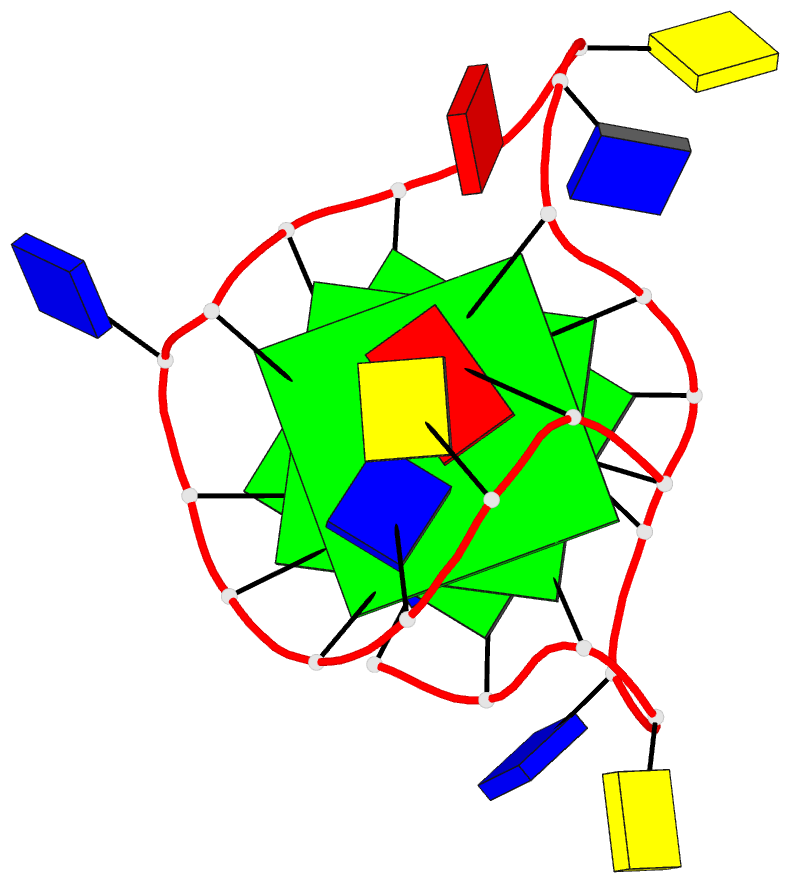
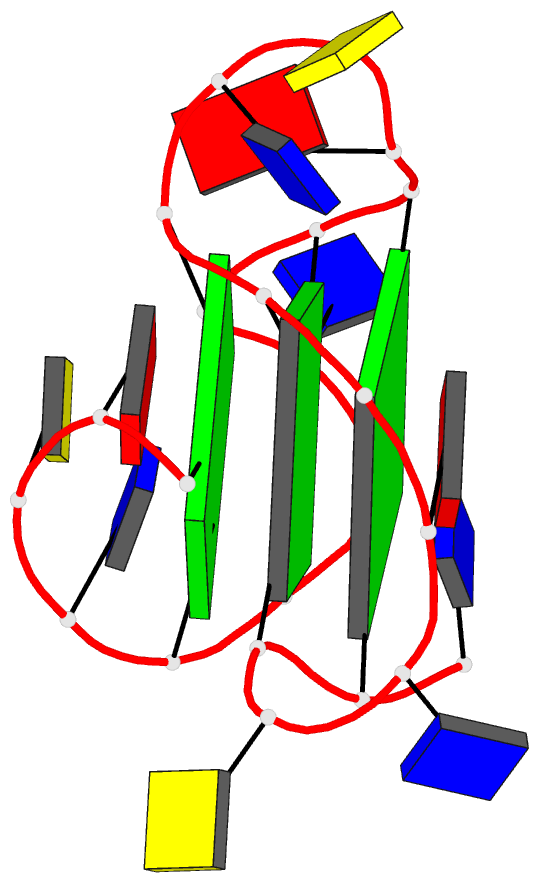
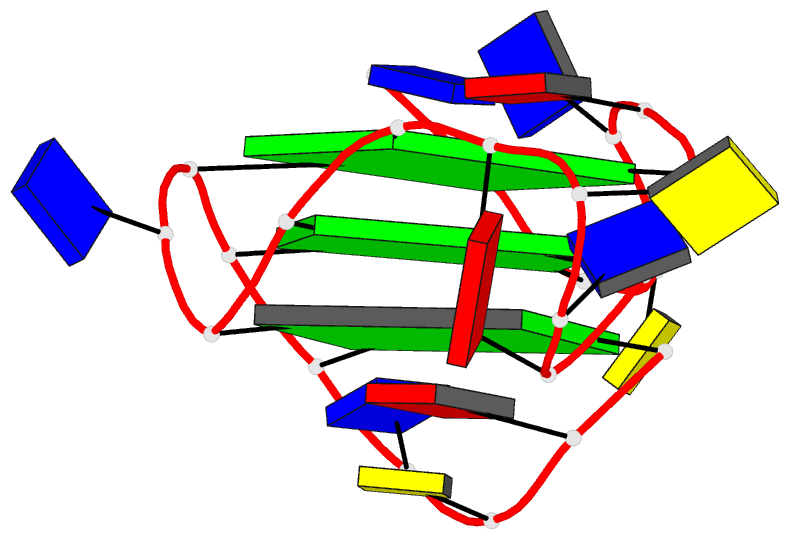
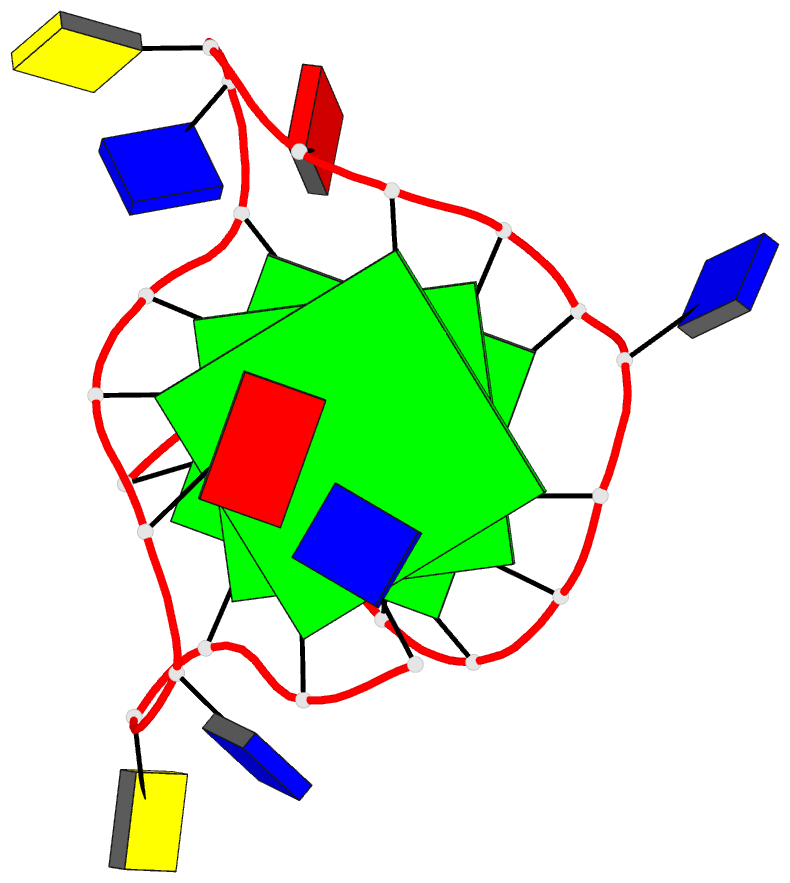
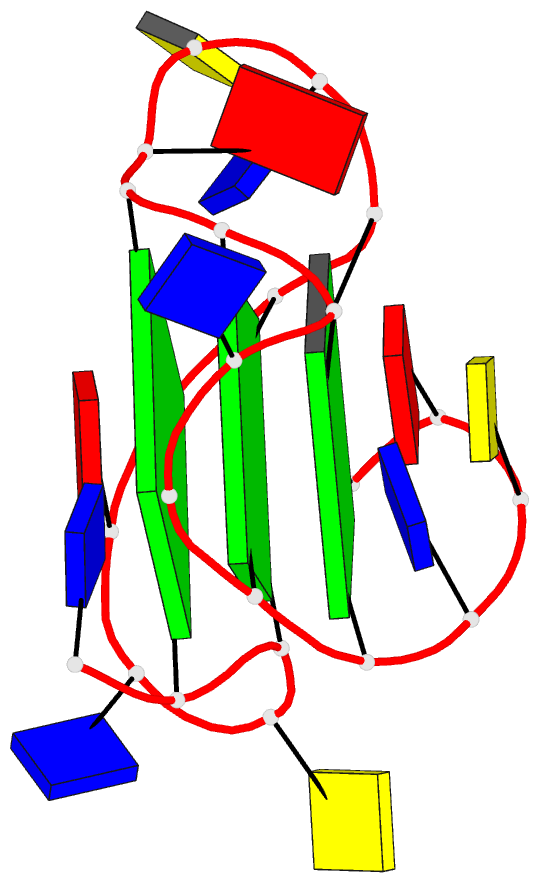
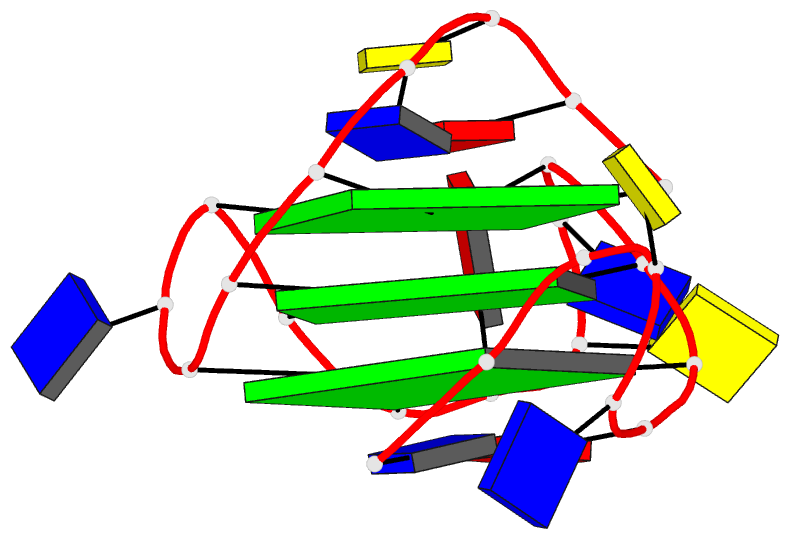
- Structure of a parallel g-quadruplex with a snapback
loop
- Reference
-
Jana J, Vianney YM, Schroder N, Weisz K (2022): "Guiding
the folding of G-quadruplexes through loop residue
interactions." Nucleic Acids Res.,
50, 7161-7175. doi: 10.1093/nar/gkac549.
- Abstract
- A G-rich sequence was designed to allow folding into
either a stable parallel or hybrid-type topology. With the
parent sequence featuring coexisting species, various
related sequences with single and double mutations and with
a shortened central propeller loop affected the topological
equilibrium. Two simple modifications, likewise introduced
separately to all sequences, were employed to lock folds
into one of the topologies without noticeable structural
alterations. The unique combination of sequence mutations,
high-resolution NMR structural information, and the
thermodynamic stability for both topological competitors
identified critical loop residue interactions. In contrast
to first loop residues, which are mostly disordered and
exposed to solvent in both propeller and lateral loops
bridging a narrow groove, the last loop residue in a
lateral three-nucleotide loop is engaged in stabilizing
stacking interactions. The propensity of single-nucleotide
loops to favor all-parallel topologies by enforcing a
propeller-like conformation of an additional longer loop is
shown to result from their preference in linking two outer
tetrads of the same tetrad polarity. Taken together, the
present studies contribute to a better structural and
thermodynamic understanding of delicate loop interactions
in genomic and artificially designed quadruplexes, e.g.
when employed as therapeutics or in other biotechnological
applications.