Summary information and primary citation
- PDB-id
-
7uxd;
DSSR-derived features in text and
JSON formats
- Class
- hydrolase-DNA
- Method
- X-ray (1.5 Å)
- Summary
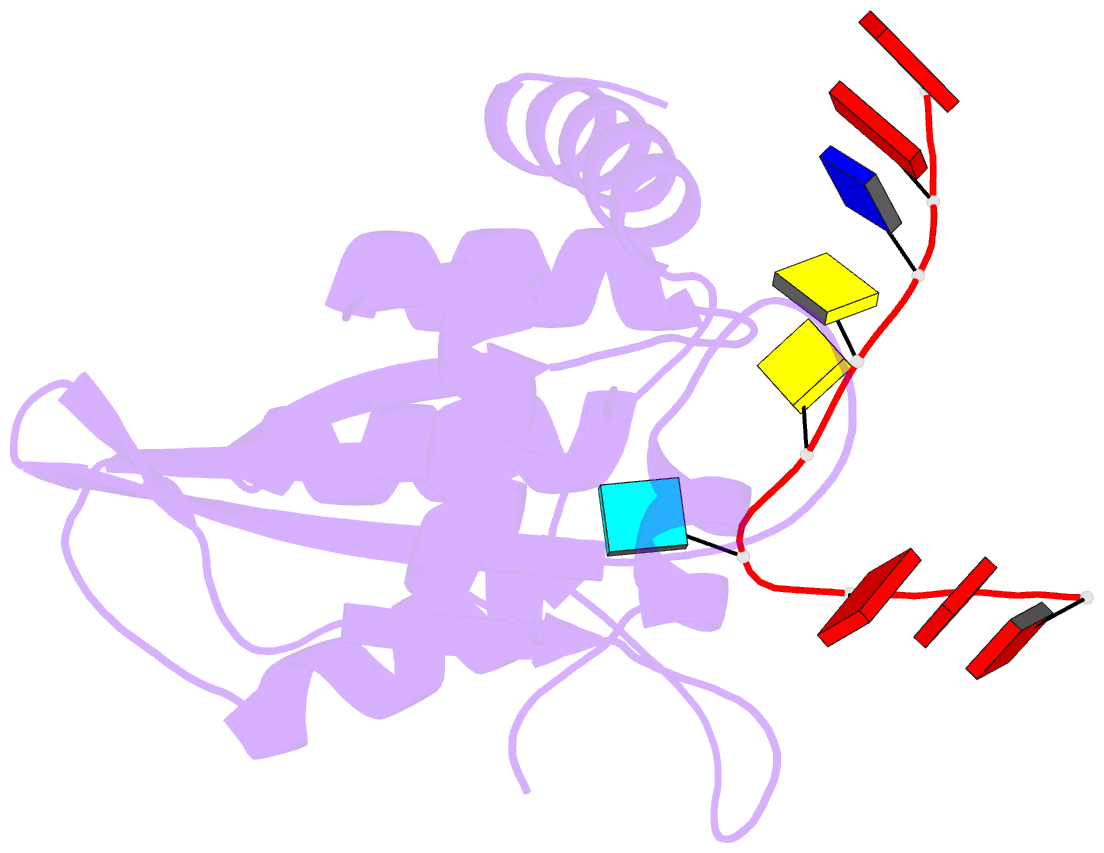
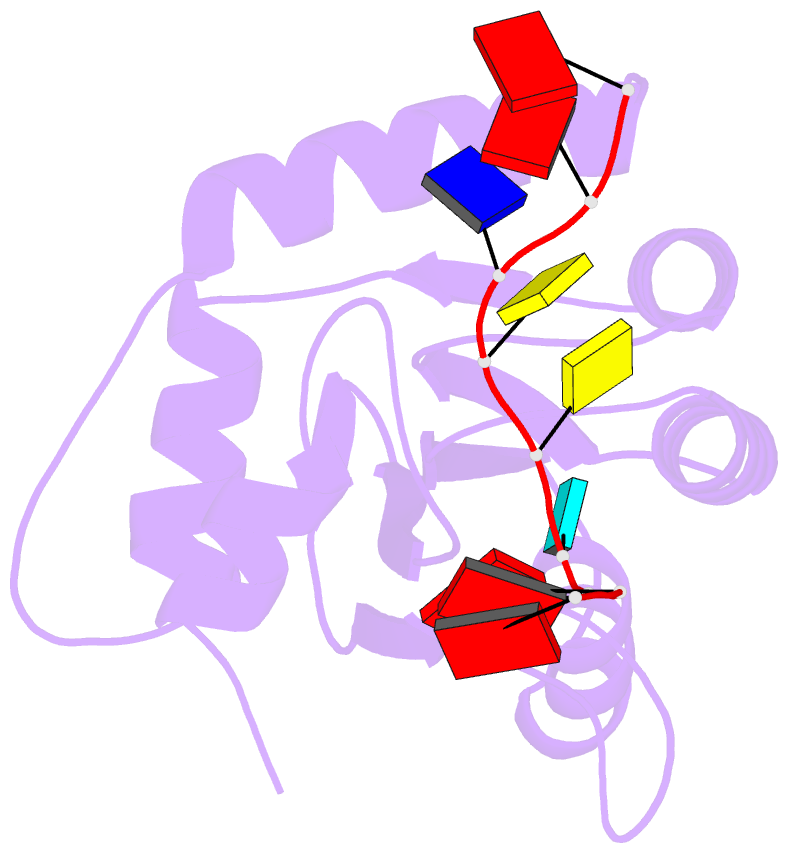
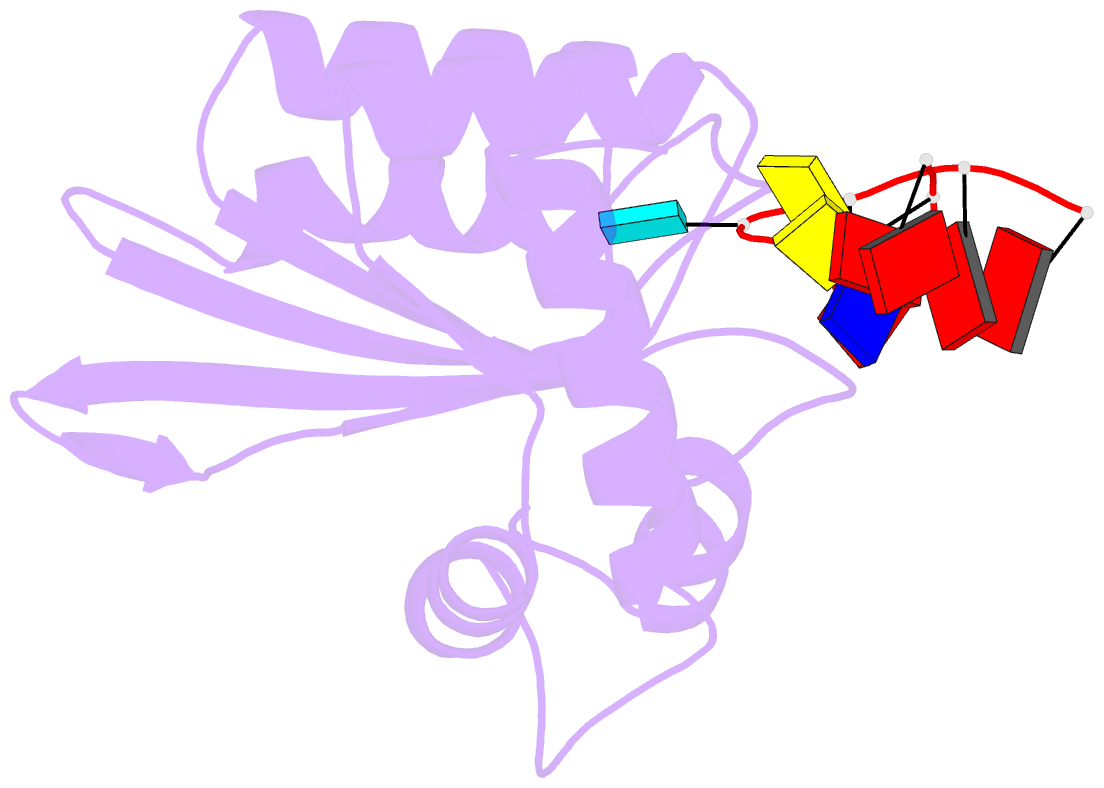
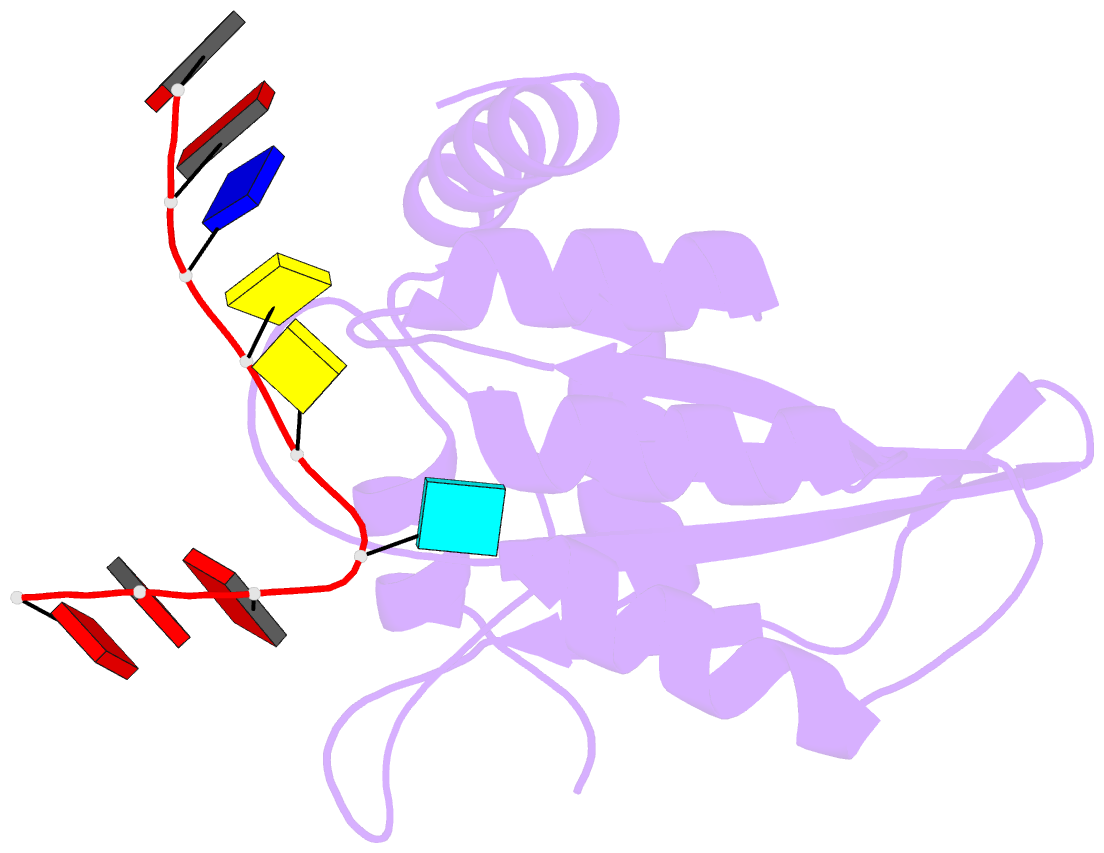
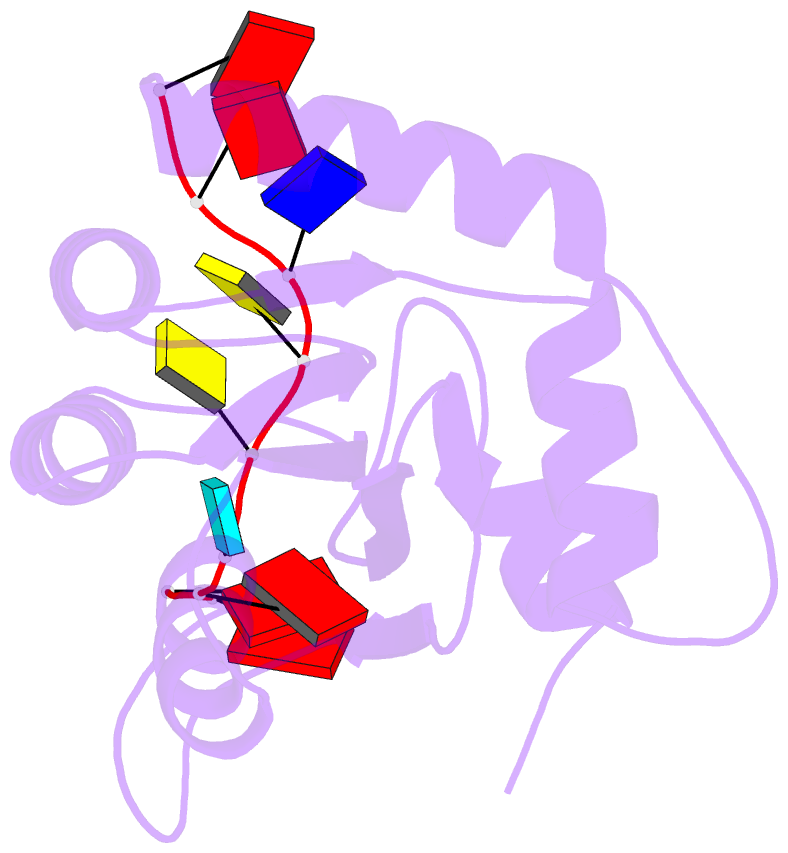
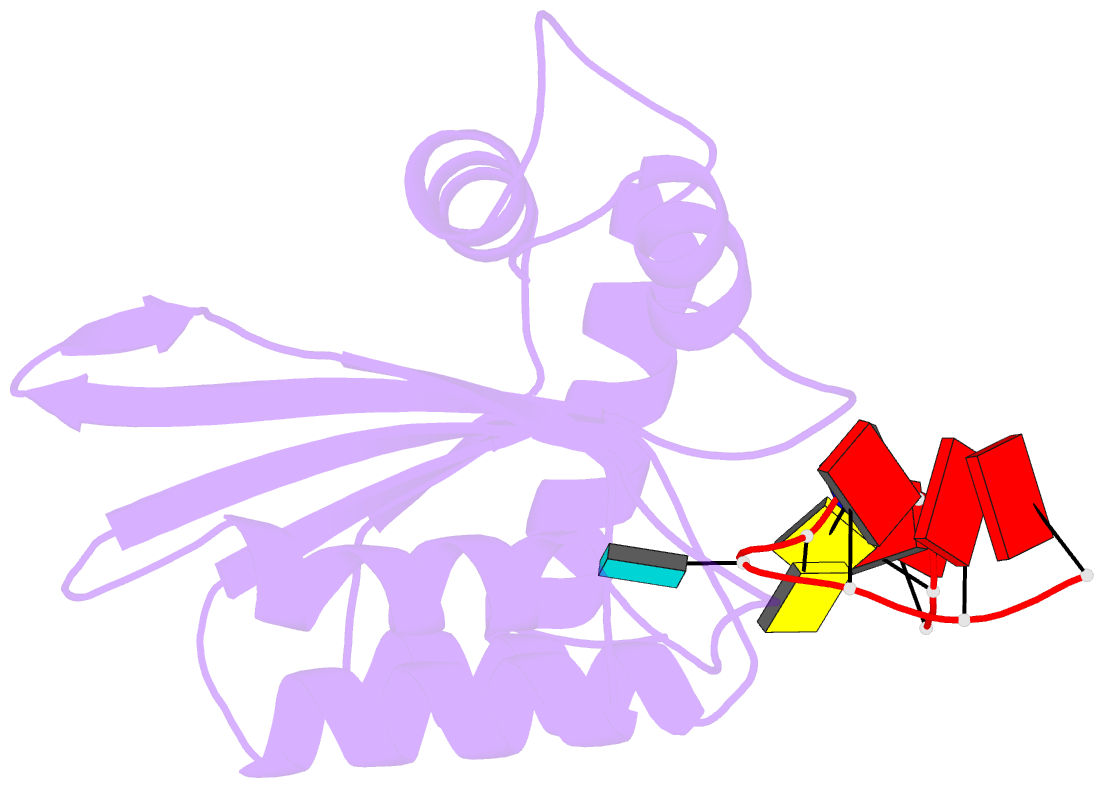
- Crystal structure of apobec3g catalytic domain complex
with ssDNA containing 2'-deoxy zebularine.
- Reference
-
Maiti A, Hedger AK, Myint W, Balachandran V, Watts JK,
Schiffer CA, Matsuo H (2022): "Structure
of the catalytically active APOBEC3G bound to a DNA
oligonucleotide inhibitor reveals tetrahedral geometry of
the transition state." Nat Commun,
13, 7117. doi: 10.1038/s41467-022-34752-1.
- Abstract
- APOBEC3 proteins (A3s) are enzymes that
catalyze the deamination of cytidine to uridine in
single-stranded DNA (ssDNA) substrates, thus playing a key
role in innate antiviral immunity. However,
the APOBEC3 family has also been linked to many
mutational signatures in cancer cells, which has led to
an intense interest to develop inhibitors of A3's
catalytic activity as therapeutics as well as tools to
study A3's biochemistry, structure, and cellular function.
Recent studies have shown that ssDNA containing
2'-deoxy-zebularine (dZ-ssDNA) is an inhibitor of A3s such
as A3A, A3B, and A3G, although the atomic determinants
of this activity have remained unknown. To fill this
knowledge gap, we determined a 1.5 Å resolution structure
of a dZ-ssDNA inhibitor bound to active A3G. The crystal
structure revealed that the activated
dZ-H<sub>2</sub>O mimics the transition state
by coordinating the active site Zn<sub>2+</sub>
and engaging in additional stabilizing interactions, such
as the one with the catalytic residue E259. Therefore, this
structure allowed us to capture a snapshot of the A3's
transition state and suggests that developing
transition-state mimicking inhibitors may provide a new
opportunity to design more targeted molecules for A3s in
the future.