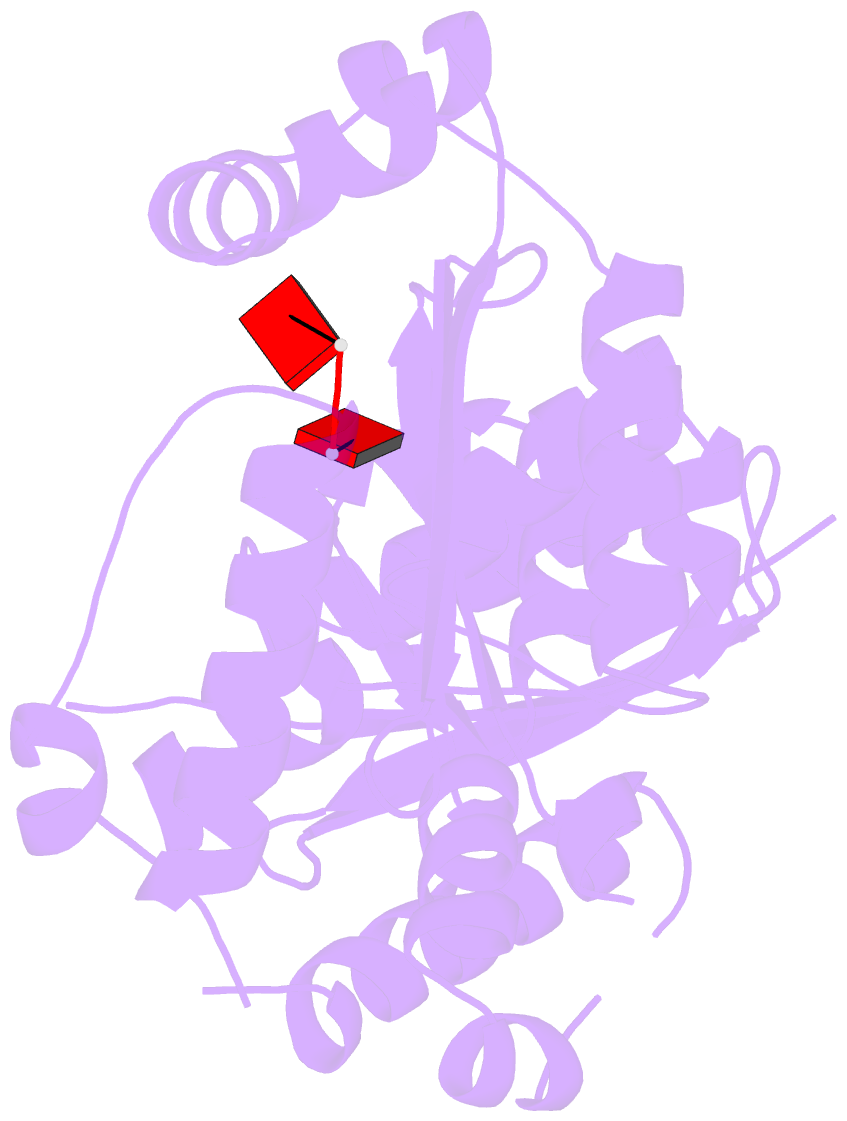
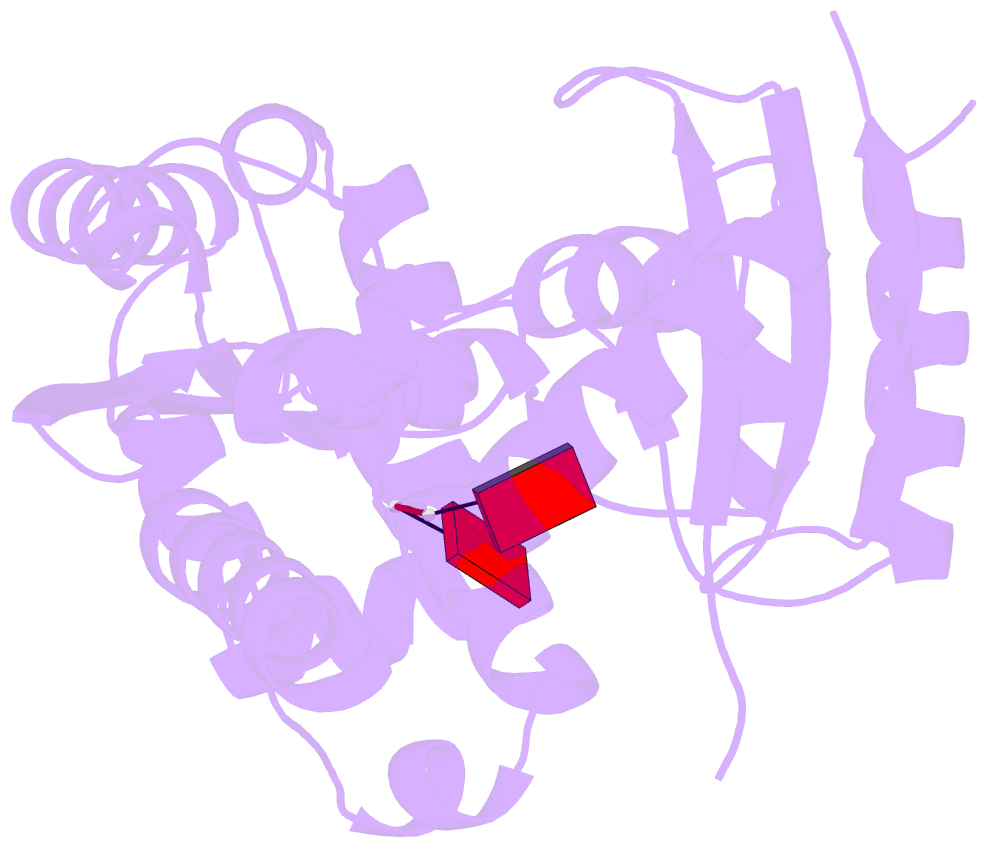
Summary information and primary citation
- PDB-id
-
6rcl;
DSSR-derived features in text and
JSON formats
- Class
- hydrolase
- Method
- X-ray (1.97 Å)
- Summary
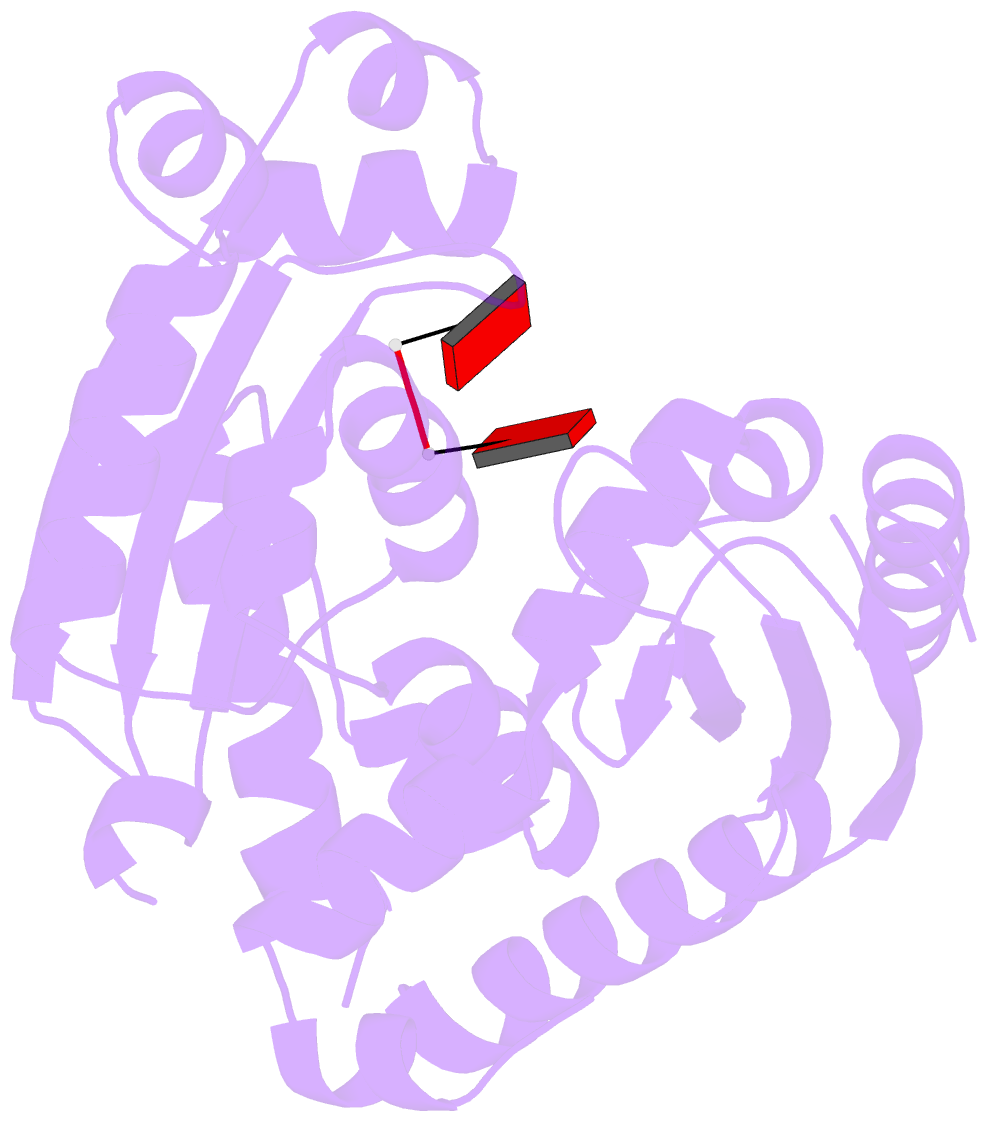
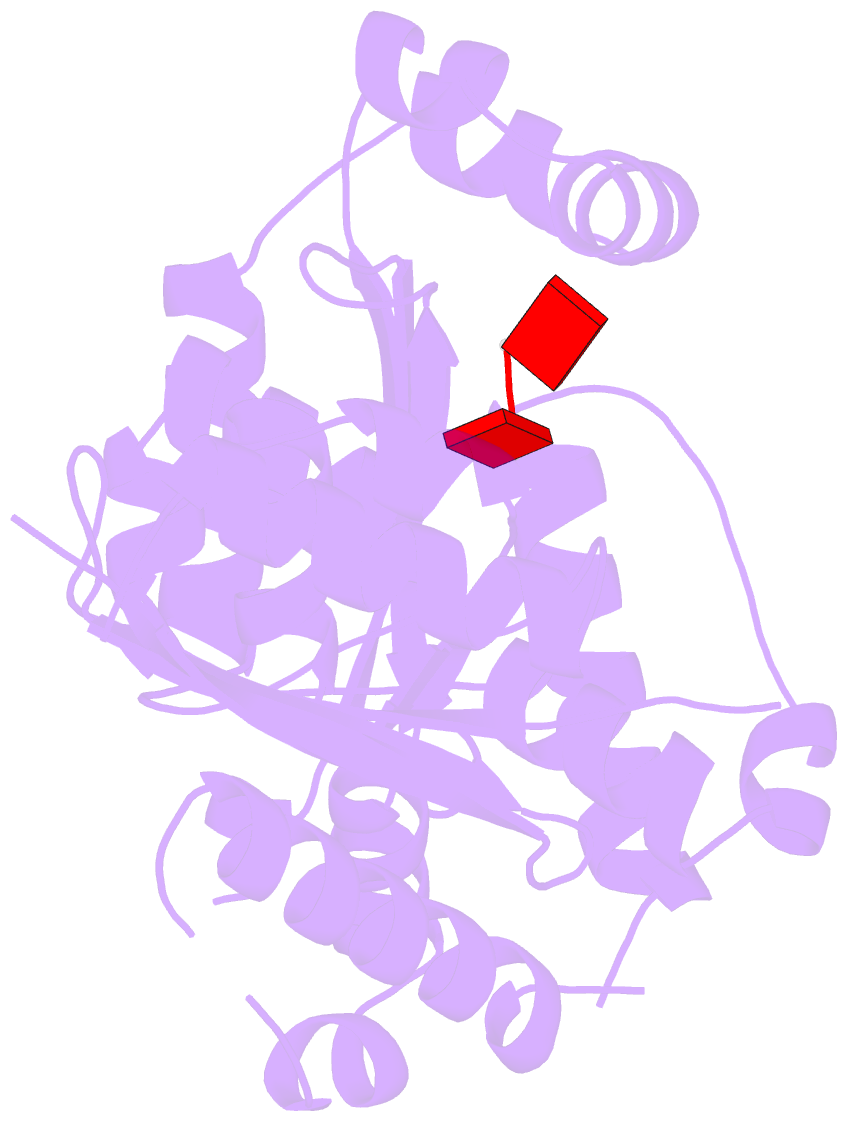
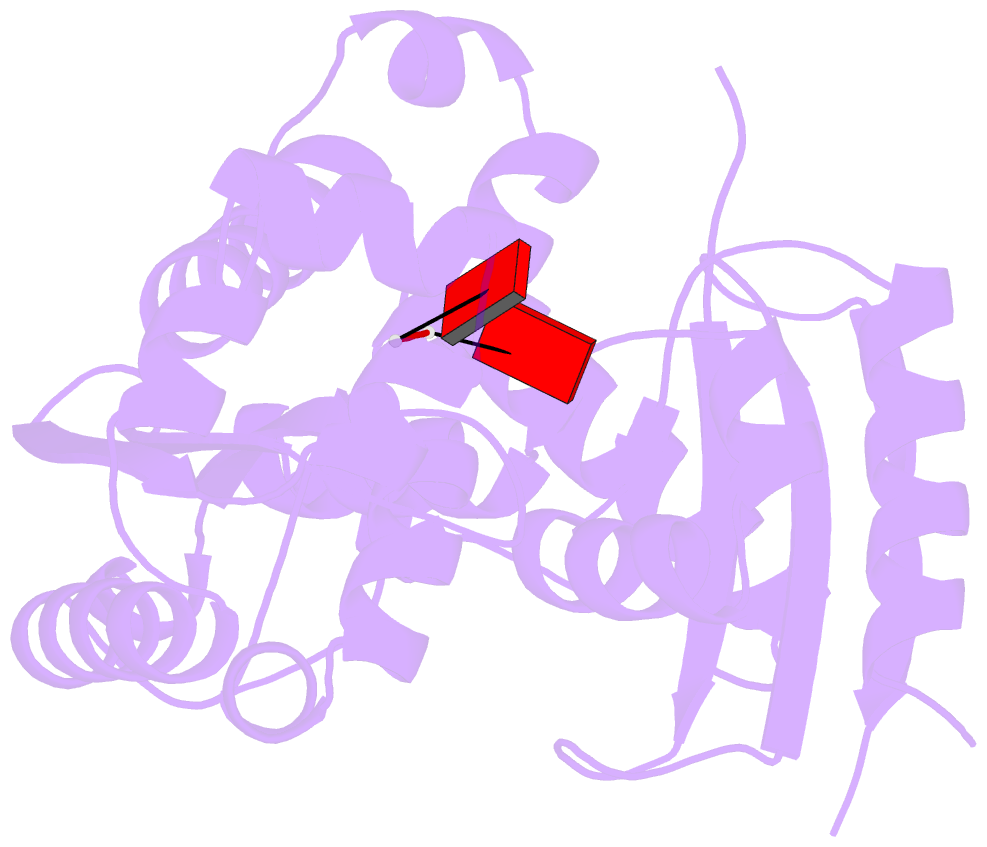
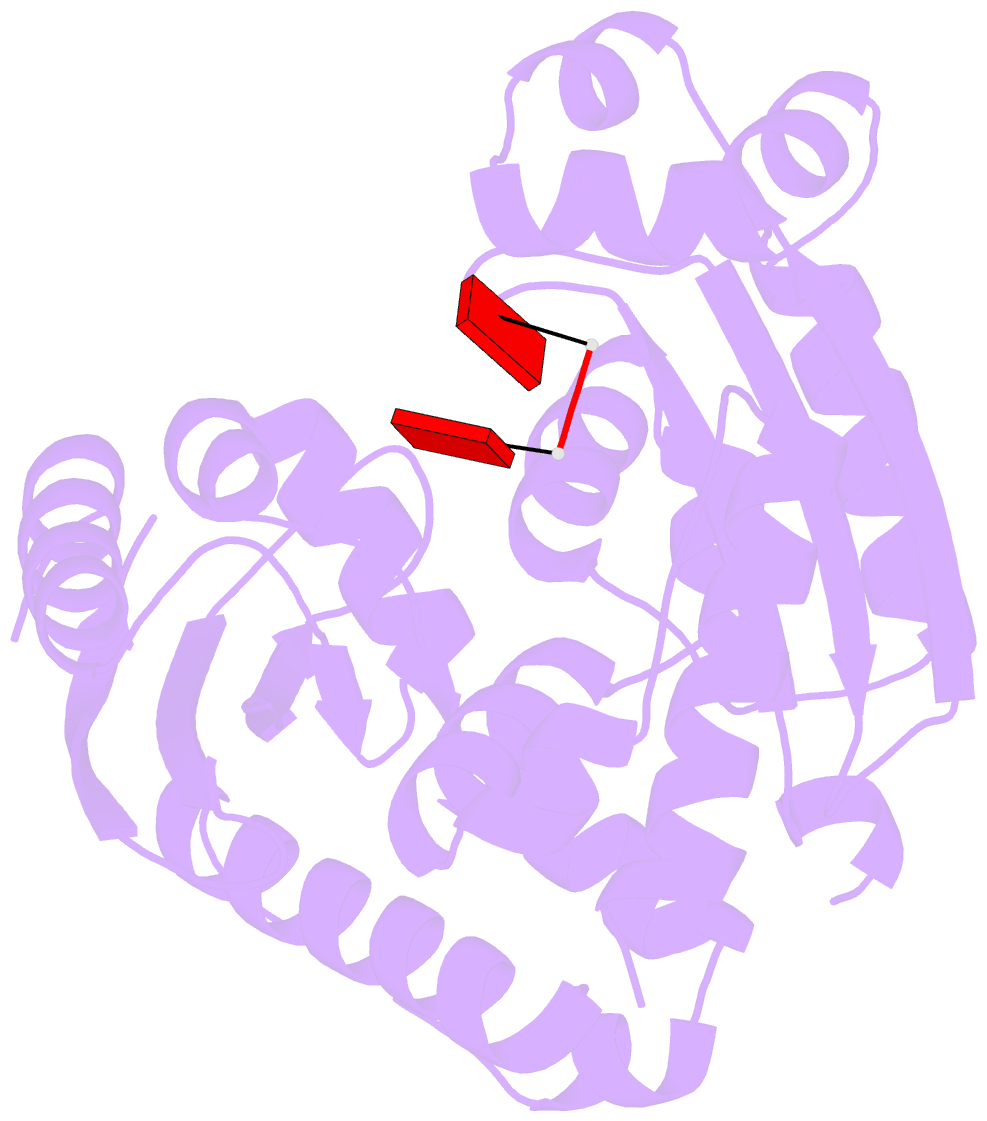
- Crystal structure of rexo2-d199a-aa
- Reference
-
Nicholls TJ, Spahr H, Jiang S, Siira SJ, Koolmeister C,
Sharma S, Kauppila JHK, Jiang M, Kaever V, Rackham O,
Chabes A, Falkenberg M, Filipovska A, Larsson NG,
Gustafsson CM (2019): "Dinucleotide
Degradation by REXO2 Maintains Promoter Specificity in
Mammalian Mitochondria." Mol.Cell,
76, 784-796.e6. doi: 10.1016/j.molcel.2019.09.010.
- Abstract
- Oligoribonucleases are conserved enzymes that degrade
short RNA molecules of up to 5 nt in length and are assumed
to constitute the final stage of RNA turnover. Here we
demonstrate that REXO2 is a specialized
dinucleotide-degrading enzyme that shows no preference
between RNA and DNA dinucleotide substrates. A heart- and
skeletal-muscle-specific knockout mouse displays elevated
dinucleotide levels and alterations in gene expression
patterns indicative of aberrant dinucleotide-primed
transcription initiation. We find that dinucleotides act as
potent stimulators of mitochondrial transcription
initiation in vitro. Our data demonstrate that
increased levels of dinucleotides can be used to initiate
transcription, leading to an increase in transcription
levels from both mitochondrial promoters and other,
nonspecific sequence elements in mitochondrial DNA.
Efficient RNA turnover by REXO2 is thus required to
maintain promoter specificity and proper regulation of
transcription in mammalian mitochondria.